Landscaping Services in Santa Ana for Lawn Care, Design, and Irrigation
Santa Ana landscapes live under a different set of rules than yards in cooler, wetter parts of the country. Heat comes early, dry spells drag on, water rates matter, and plants that look great in a catalog can struggle once they meet reflected sun from a driveway or block wall. That is why homeowners and property managers who look for landscaping services in Santa Ana usually need more than someone to mow and blow. They need judgment, timing, and a plan that fits Southern California conditions.
A good landscape should do several jobs at once. It should look cared for, support the way people use the property, stay manageable through the seasons, and avoid wasting water. In Santa Ana, that often means balancing curb appeal with practical decisions about irrigation, turf size, mulch depth, shade, drainage, and plant selection. It also means knowing when a problem is cosmetic and when it points to a deeper issue, like compacted soil, root stress, a broken valve, or poor grading near the foundation.
The strongest landscaping work usually comes from teams that understand all three sides of the job: lawn care, landscape design, and irrigation. When those pieces work together, the property feels intentional. When they do not, people end up paying twice, once for installation and again for corrections.
What Santa Ana properties really need from a landscape team
A yard in Santa Ana is not static. The same front yard landscaping that looks lush in March can start showing stress by July if watering is uneven or turf roots are shallow. A backyard landscaping project that seemed low maintenance on paper can become labor intensive if the plant palette was chosen for looks rather than local exposure. Commercial landscaping has its own pressure points, especially around appearance standards, foot traffic, liability, and irrigation coverage across larger planting areas.
In practice, the best service providers start with observation. hardscaping santa ana They look at sun patterns, slope, runoff, soil condition, existing valves, sprinkler types, tree canopy, hardscape heat, and how the client uses the space. A family with dogs and kids needs a different lawn care strategy than a retired couple who want a quiet, water-wise garden. A retail center needs durability and visibility. An office complex may prioritize a clean, consistent look with predictable maintenance costs.
That is where custom landscaping separates itself from generic service. A custom plan accounts for the property instead of forcing the property into a one-size-fits-all package.
Lawn care in Santa Ana is more technical than it looks
Many people think lawn care starts and ends with mowing services. Mowing matters, but it is only one part of turf health. The wrong cutting height, dull blades, and uneven watering can weaken a lawn quickly, especially during long warm stretches.
Most healthy lawns in this area respond best to regular mowing at the right height for the grass type. Cut too short and the lawn loses vigor, dries faster, and opens the door to weeds. Let it grow too long between visits and the mower removes too much leaf blade at once, which shocks the turf and leaves a ragged appearance. This is one reason a reliable grass mowing guide is useful, but field experience matters even more. Landscapers who work in Santa Ana every week know when a lawn is growing aggressively, when it is slowing down, and when heat stress means you should adjust the schedule rather than force a cosmetic result.
Fertilization also needs restraint. Overfeeding turf can create a brief green-up, but it often drives thirsty top growth and increases mowing frequency. On the other hand, a lawn that never receives nutrients slowly thins out and loses color. The goal is steady health, not a surge followed by decline.
Soil is another overlooked factor. I have seen many lawns with bare spots that owners assumed needed reseeding, when the real problem was compacted soil from foot traffic or repeated passes with heavy equipment. In those cases, aeration and irrigation correction did more than fresh seed ever could. Santa Ana soils vary from property to property, but compaction, dry pockets, and runoff are common enough that they deserve attention early.
Weed control is similar. If weeds keep returning in the same strip near a walkway or curb, the answer is not always stronger treatment. Sometimes the sprinkler arc is missing that zone. Sometimes reflected heat is stressing the turf. Sometimes edging is allowing encroachment from nearby beds. Lawn care improves when the crew looks at causes, not just symptoms.
Front yard landscaping sets the tone for the whole property
The front yard does more than frame the house. It shapes first impressions, affects sightlines, and often determines how much maintenance a property will demand over the next several years. Strong front yard landscaping in Santa Ana tends to rely on clear structure. That might mean a defined walkway, a restrained plant palette, layered heights, and ground surfaces that hold up under heat.
One common mistake is overcrowding. Small nursery plants can make a bed look sparse at installation, so people place them too close together. Eighteen months later, shrubs are pressing into paths, hiding windows, or competing for water. Good landscape design allows for mature size. It leaves breathing room and uses repetition to create order.
Another issue is scale. A wide ranch-style lot can handle broader planting masses and lower, horizontal forms. A narrower home entry may need vertical accents and cleaner bed lines so the space does not feel busy. The best landscape design is not always the most elaborate. Often it is the one that looks balanced from the street, functions well at the walkway, and still feels calm in August when everything is under the hardest seasonal pressure.
Mulch plays a major role here. A proper mulch layer moderates soil temperature, slows evaporation, reduces weed pressure, and gives planting beds a finished appearance. It also helps irrigation perform better because moisture stays in the root zone longer. But too much mulch, especially piled around trunks or against stem bases, can invite disease and stress. Around trees and shrubs, mulch should be kept off the bark and spread evenly instead of mounded like a volcano.
Backyard landscaping should fit how people actually live
Backyard landscaping succeeds when it reflects daily habits. If the family eats outside three nights a week, circulation between the back door, grill, and seating area matters more than adding another decorative bed. If children need open play space, forcing too much hardscape into the plan can make the yard feel cramped. If the goal is privacy, strategic screening with the right plant material may do more than a fence alone.
This is where custom landscaping earns its value. Some backyards need a simpler lawn and planting refresh with better irrigation coverage. Others benefit from a full redesign that reduces high-water turf, expands usable patio space, and introduces drought-tolerant planting around the edges. Eco friendly landscaping often works especially well in Santa Ana backyards because it can lower water demand without making the yard feel sparse. The best results usually come from combining a few strong ideas rather than packing in every trend.
For example, a small yard may benefit from one focal tree, a modest patch of turf, mixed low-water shrubs, decomposed granite or gravel in secondary zones, and drip irrigation throughout the beds. That kind of composition can feel spacious and clean if the layout is disciplined. A larger yard may support outdoor rooms, shade structures, and broader transitions between turf and planting. In either case, the design should make maintenance straightforward. If crews cannot access planting zones easily, or if irrigation zones are mixed between plants with different water needs, upkeep gets expensive fast.
Irrigation is where many landscapes quietly fail
People usually notice a broken sprinkler head when water shoots across the sidewalk. They notice less obvious failures much later, when they see yellow turf, fungal issues, runoff, or plant decline. Irrigation is one of the most important services a Santa Ana property can invest in because so many landscape problems come back to water, either too much, too little, or delivered in the wrong way.
A proper irrigation service for homeowners starts with an audit, not a guess. The technician should check controller programming, valve function, pressure, head spacing, overspray, clogged nozzles, drip line condition, and whether each zone matches the plant material it serves. Turf areas watered by spray heads need different run times than shrub beds on drip. Slopes need careful timing to avoid runoff. Areas under mature trees may need adjustments as root competition and shade patterns change.
It is common to see front lawns watered on schedules that were set years ago and never revisited. Seasons shift, plants mature, and repairs alter performance. If the controller still runs summer settings in mild weather, the landscape may stay constantly damp, landscaping resources which weakens roots and wastes money. If zones are shortened too much during heat, the turf may survive but never really recover.
Water management in Southern California also means paying attention to efficiency. Eco friendly landscaping is not only about removing grass. It is also about matching irrigation to the landscape you have, improving soil moisture retention, and reducing evaporation through mulch and plant selection. A moderate lawn with smart watering often performs better than an oversized lawn with poor coverage and daily shallow cycles.
For many clients, this is where affordable landscaping Santa Ana becomes a practical discussion rather than a marketing phrase. Saving money is not just about choosing the cheapest monthly bid. It is about preventing hidden losses from water waste, repeated plant replacement, emergency repairs, and design choices that demand excessive labor.
Design choices that age well in a California climate
A useful california landscaping guide always comes back to climate response. Santa Ana properties need plants and materials that can handle heat, periodic wind, bright sun, and irregular rainfall. The most durable landscapes lean on plants adapted to those stresses and place thirstier material only where it makes sense.
That does not mean every yard needs to look like a desert display. A well-designed California landscape can still feel lush. The difference is that lushness comes from layering, texture, shade, and smart irrigation rather than trying to force high-water plants into every corner. Ornamental grasses, Mediterranean species, many native-adjacent shrubs, and structurally strong accent plants can create depth without pushing the water bill to extremes.
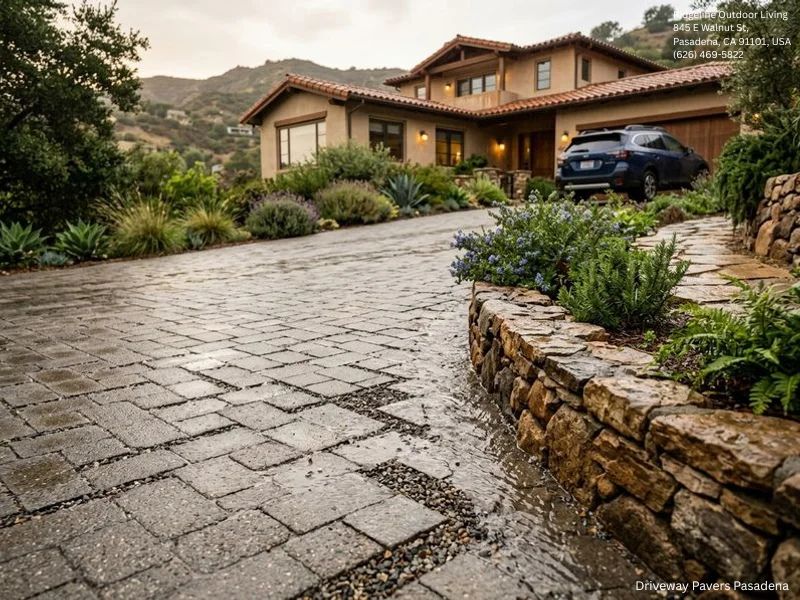
Hardscape selection matters too. Pale surfaces can reduce heat absorption, though glare must be considered. Permeable areas can help with drainage in some settings, but they need proper base preparation to avoid settling. Gravel and decorative rock look simple, yet they need weed management, edge restraint, and thoughtful placement so they do not migrate into walks or turf. The best landscape design usually combines plant and hardscape decisions into one coherent system rather than treating them separately.
Tree care deserves a cautious, informed approach
Trees are often the most valuable part of the landscape, both visually and financially. They provide shade, soften structures, reduce heat, and give mature character that new plantings cannot replicate. Yet tree work is where poor decisions can do long-term damage.

A basic tree service guide for homeowners starts with one principle: pruning should have a clear landscaping santa ana - Ridgeline Outdoor Living purpose. Deadwood removal, clearance, structural correction, and canopy health are valid reasons. Topping a tree because it feels too large is usually not. Severe cuts can trigger weak regrowth, stress the tree, and create a larger hazard later.
Santa Ana trees also influence irrigation planning. Large roots compete with nearby turf and shrubs, which is why lawn decline around mature trees often appears in irregular rings or strips. Adjusting watering in those areas may help, but in some cases the better solution is to reduce turf near the trunk and create a mulched planting zone that respects the root flare. This can improve both tree health and maintenance efficiency.
Storm preparation matters as well, though not every tree needs aggressive thinning. Poorly trained crews sometimes remove too much interior canopy, which can expose limbs to sun damage and alter the tree’s structure. Experienced tree care professionals understand species differences, growth habits, and how to reduce risk without overcutting.
Commercial landscaping has different standards than residential work
Commercial landscaping in Santa Ana operates under tighter visibility and consistency demands. A shopping center, medical office, apartment complex, or industrial property cannot rely on a casual maintenance approach. Irrigation failures create complaints quickly. Overgrown entries affect perception. Dead plants near signage or parking lots suggest neglect, even when the business itself is well run.
What makes commercial work challenging is the mix of expectations. Property managers want attractive grounds, but they also need predictable budgets, safe walkways, controlled debris, and crews that can work efficiently around tenants and visitors. This is why strong commercial landscaping programs typically focus on routine detail, not just occasional cleanups. Bed edges need to stay crisp. Trees need scheduled inspection. Irrigation must be checked before visible decline spreads across a site.
There is also a design side to commercial properties that often goes overlooked. Installations should be selected for durability, line of sight, and manageable growth. Plants that constantly spill onto curbs or block signage create recurring labor costs. A simpler planting plan with the right species often outperforms a fancier design that requires constant correction.
How to judge whether a landscaping proposal is actually good
Most proposals sound similar at first glance. They mention lawn care, irrigation checks, seasonal color, cleanup, and general maintenance. The difference shows up in the details. A strong provider explains scope clearly, identifies site-specific issues, and sets realistic expectations about what can be improved landscapers in santa ana ca Ridgeline Outdoor Living through maintenance versus what requires renovation.
When reviewing proposals for landscaping services in Santa Ana, look for signs that the company has actually studied the property. Do they mention sun exposure, drainage concerns, aging valves, turf condition, or plant overcrowding? Do they separate routine lawn care from repair work? Do they recommend design changes where maintenance alone will not solve the problem?
Price matters, but low bids can hide thin service. If one contractor is much cheaper, the gap often comes from lower visit frequency, reduced labor time, limited irrigation oversight, or a reactive approach to problems. Affordable landscaping Santa Ana should mean value, not just a small number on paper.
A useful proposal also explains timing. Some improvements can happen quickly, like irrigation adjustments, mulch refresh, and bed cleanup. Others take a season or more to show results, especially turf recovery, shrub fill-in, or tree response after corrective pruning. Honest timelines are a good sign.
A practical path for homeowners who want better results
If your yard feels tired, patchy, or harder to manage than it should, the smartest first step is not always a full redesign. Often, the best outcomes come from correcting the systems underneath the appearance. A lawn with poor color may need irrigation tuning more than sod. A struggling bed may need mulch and plant spacing adjustments more than replacement. A high water bill may point to pressure problems or overspray rather than the size of the yard alone.
That said, some landscapes really do need a reset. If the property has a mismatched layout, aging sprinkler infrastructure, oversized turf, or plant material that never suited the site, a phased redesign can be the more economical move over time. Start with the highest-impact areas, usually irrigation, front entry appearance, and the backyard zones people use most. Then build from there.
The strongest landscape is not necessarily the one with the most features. It is the one that works through heat, looks coherent from the street, supports the people who live or work there, and can be maintained without constant frustration. In Santa Ana, that balance takes more than routine service. It takes local knowledge, a disciplined eye, and respect for how climate shapes every decision in the landscape.
When lawn care, landscape design, and irrigation are handled as connected parts of one system, the results tend to last. Lawns hold color longer. Plantings settle in with less stress. Water bills become more predictable. Maintenance gets easier instead of harder. Whether the goal is front yard landscaping that sharpens curb appeal, backyard landscaping that adds real living space, or commercial landscaping that protects a property’s image, good work begins with understanding the site and making choices that fit Santa Ana, not just the photo inspiration.